
Ty Robinson | February 13, 2026 | Personal Injury
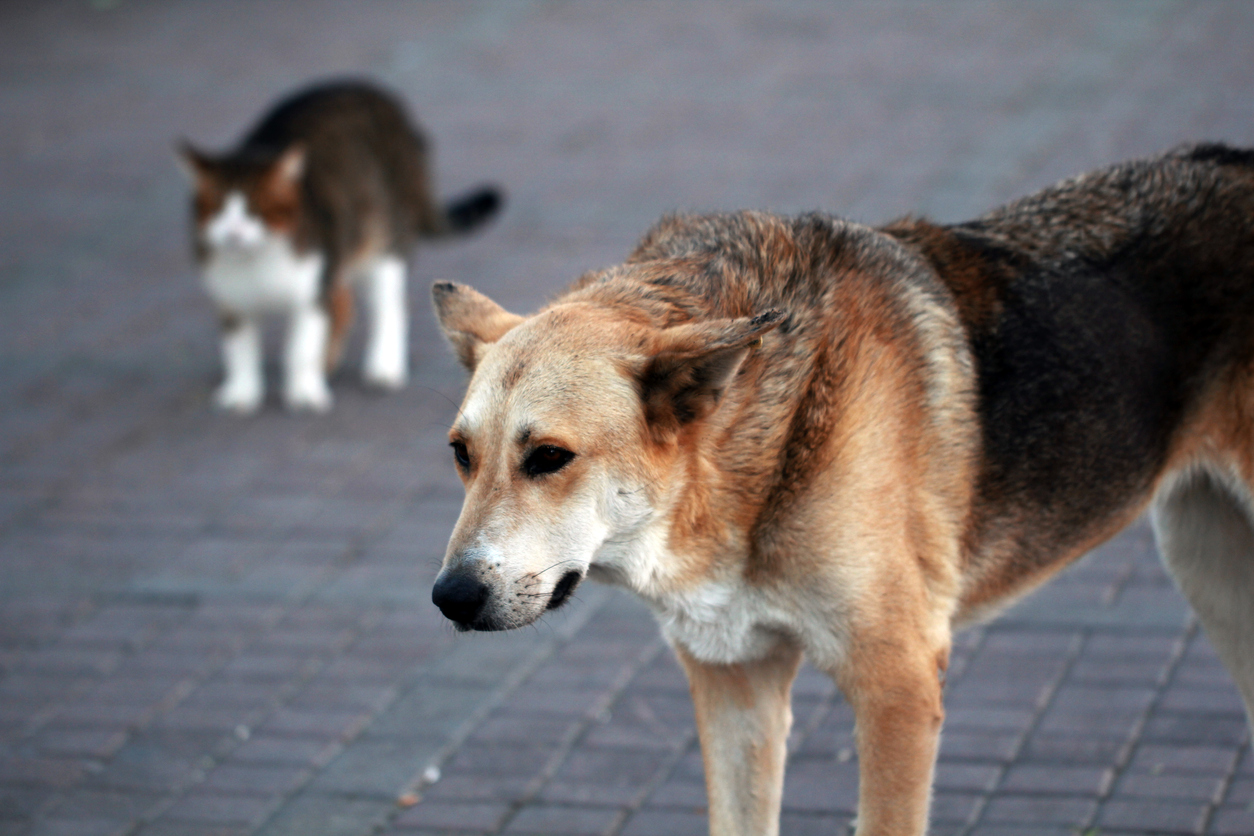
Wolf hybrids, also known as wolfdogs, are dogs with a recent wolf ancestor. Their wild appearance attracts some animal lovers, but owning one raises legal and safety questions. If you live in Charleston, South Carolina, and are considering a wolf hybrid, it is important to know how state laws and local ordinances apply.
This article explains the legal status of wolfdogs in South Carolina, describes county rules, and outlines the responsibilities and risks of ownership.
What Is a Wolf Hybrid?
A wolf hybrid is a domestic dog that carries a percentage of wolf genetics. Breeders create them by mating wolves with domestic dogs or by breeding two wolfdogs. The amount of wolf ancestry can vary, which influences behavior and appearance. High‑content wolfdogs act more like wild wolves, while low‑content hybrids behave more like domestic dogs.
Regardless of the mix, these animals need more space, stronger enclosures, and careful training. They often have a strong prey drive, making them challenging pets.
State Laws in South Carolina
Under South Carolina law, pure wolves are considered wildlife. It is illegal to sell, import, or possess a live wolf without a special permit. Wolf hybrids, however, are generally treated as domestic animals. The state does not require a permit to own a wolfdog, and there is no statewide ban. This means residents can own a wolf hybrid without a license.
Although the state does not require a special license, owners should still register their wolf hybrid with local animal control if requested. Microchipping the animal helps authorities identify it if it escapes and proves ownership in a dispute. South Carolina also prohibits keeping native wildlife as pets, so breeding a wolfdog with a pure wolf is not allowed.
Responsible ownership includes following state wildlife rules and seeking veterinary advice about vaccinations and health care.
Local Ordinances and County Regulations
Counties and cities in South Carolina can enact their own exotic pet laws. While the state allows wolfdogs, local governments may restrict or ban them. Richland County, for example, prohibits ownership of any animal with wolf ancestry. Other counties permit wolfdogs but require permits, inspections, or secure enclosures.
Charleston County does not outright ban wolf hybrids, but it regulates exotic pets. Officials may classify wolfdogs as exotic if their wolf content is high and require registration, proof of secure housing, and fencing standards. Check with animal control for current requirements. Private rules can also affect ownership. Many homeowner’s associations and landlords prohibit exotic animals.
Before adopting a wolf hybrid, review lease agreements and community bylaws. Breaking these rules could lead to fines, eviction, or the removal of the animal. Researching local and private regulations ensures you can keep a wolfdog legally and safely.
Weighing the Risks and Rewards
At the state level, wolf hybrids are legal to own in South Carolina, but that is only part of the picture. Some counties, like Richland, ban them completely, while Charleston County regulates them as exotic pets.
Before adopting a wolfdog, you should:
- Confirm that wolf hybrids are legal in your county, as some areas ban them or regulate them as exotic pets.
- Review local ordinances, HOA rules, and lease agreements for ownership restrictions.
- Ensure you can provide secure housing, proper training, and constant supervision.
- Obtain liability insurance and commit to responsible management.
- Know the steps to take after an injury, including seeking medical care, reporting the incident, gathering evidence, and consulting a personal injury attorney.
Taking these precautions can help reduce risks and promote safer ownership.
Contact Ty Robinson Personal Injury & Car Accident Law Firm To Schedule a Free Consultation With Our Charleston Personal Injury Attorney
Wolf hybrids are legal under South Carolina state law, but local rules and private restrictions can change what is allowed. Some counties ban wolfdogs, while others, including Charleston County, may regulate them as exotic pets. Ownership also comes with safety risks and legal responsibilities.
If you were injured in an accident in Charleston, South Carolina, and need legal help, contact our Charleston dog bite lawyer at Ty Robinson Personal Injury & Car Accident Law Firm to schedule a free case review today.
Ty Robinson Personal Injury & Car Accident Law Firm
28 Broad St Suite 204-2
Charleston, SC 29401
(843) 278-2222
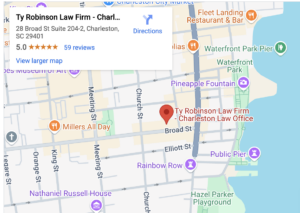
Ty Robinson Personal Injury & Car Accident Law Firm – Charleston Law Office
28 Broad St Suite 204-2,
Charleston, SC 29401
(843) 278-2222
Charleston Office – Mechanic Street
2201 Mechanic Street Suite D
North Charleston SC 29405
* By Appointment Only
(843) 278-2222