

Concussions are common injuries in many types of accidents across Charleston, South Carolina. Although some people associate concussions with sports or minor bumps to the head, they are actually traumatic brain injuries (TBIs) that can disrupt normal brain function. Even a “mild” concussion can lead to lasting symptoms, missed work, difficulty concentrating, and long-term health complications.
This resource explains what a concussion is, how it happens, the symptoms to watch for, how it is diagnosed and treated, and when you may consider contacting a personal injury lawyer after suffering one.
What Is a Concussion?
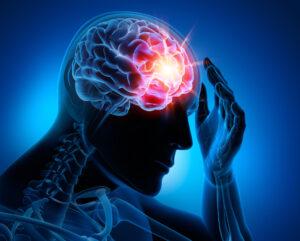
A concussion occurs when a sudden impact or force causes the brain to move rapidly inside the skull. This movement can stretch or damage brain cells, disrupt neural pathways, and create chemical changes within the brain.
Concussions may occur even without a direct blow to the head. Rapid acceleration or deceleration—such as what happens in a car accident—can cause the brain to jolt violently inside the skull, resulting in injury.
Though some concussions resolve with proper rest and treatment, others lead to persistent symptoms and long-term impairment.
Common Causes of Concussions in Charleston
Concussions occur in many of Charleston’s most frequent accident scenarios.
Motor Vehicle Crashes
Car, truck, and motorcycle crashes are among the leading causes of concussions in South Carolina. The sudden force of impact can cause the head to strike a steering wheel, window, or seat—even at relatively low speeds.
Pedestrian and Bicycle Incidents
Pedestrians and cyclists often have little protection, making head injuries common when they are struck by vehicles or when they fall onto hard surfaces.
Slip and Fall Accidents
Falls in grocery stores, restaurants, parking lots, apartment complexes, or on uneven sidewalks can cause a person to hit their head on the ground or another object. Even a brief loss of balance can cause a concussion.
Workplace Accidents
Construction sites, manufacturing facilities, and maritime environments—common in Charleston—create risk for falls, falling objects, and collisions with equipment.
Sports and Recreational Activities
Charleston’s active tourism, water sports, and athletic communities frequently involve risks for impact or falls that may result in concussions.
Regardless of how a concussion occurs, it is important to recognize the symptoms and get immediate medical attention.
Symptoms of a Concussion
Concussion symptoms vary widely and may appear immediately or develop gradually over several hours or days. Some are subtle, while others are obvious.
Common symptoms include:
- Headache or pressure in the head
- Dizziness or balance problems
- Nausea or vomiting
- Sensitivity to light or noise
- Blurred or double vision
- Fatigue or drowsiness
- Confusion or disorientation
- Memory problems
- Difficulty concentrating
- Mood changes, such as irritability or anxiety
- Loss of consciousness (in some, but not all, cases)
Because symptoms can evolve, even a seemingly minor bump to the head warrants careful monitoring.
How Are Concussions Diagnosed?
There is no single test that can diagnose a concussion. Healthcare providers rely on a combination of examinations and imaging studies.
Physical and Neurological Evaluation
Doctors assess reflexes, balance, coordination, memory, and cognitive function.
Imaging Tests
While concussions do not always appear on imaging, CT scans or MRIs may be used to rule out bleeding, swelling, or skull fractures.
Observation and Follow-Up
Providers often monitor symptoms over time, especially if the patient’s condition changes or worsens.
A proper diagnosis is essential not only for medical reasons but also for documenting the injury for any potential personal injury case. The type and severity of a concussion injury are important factors in determining how much your case could be worth.
Treatment and Recovery for Concussion Injuries
Most concussion treatment focuses on rest and monitoring. However, healing can take far longer than many people expect.
Initial Rest
Patients are typically advised to limit physical activity and avoid tasks that require concentration, such as reading or using electronic devices.
Gradual Return to Activity
Doctors may recommend a step-by-step approach to resuming work, school, and daily activities.
Medication
Over-the-counter pain relievers may be used for headaches, but certain medications are avoided because they can increase the risk of bleeding.
Therapy
Patients with long-lasting symptoms may require vestibular therapy, cognitive therapy, or psychological support.
Recovery timelines vary significantly. Some people recover within weeks, while others experience symptoms for months or longer.
What Complications Can Result From a Concussion Injury?
Although many concussions heal well with proper care, complications are possible—especially after a severe accident.
Potential long-term issues include:
- Chronic headaches
- Persistent dizziness or balance problems
- Memory and concentration difficulties
- Mood disorders, including anxiety and depression
- Sleep disturbances
- Sensitivity to light or noise
- Post-concussion syndrome
- Increased vulnerability to future concussions
These complications may impact a person’s ability to work, drive, or maintain their usual quality of life.
What to Do After a Concussion in Charleston, SC
If you suspect you or a loved one has suffered a concussion, consider taking the following steps:
- Seek immediate medical attention to document the injury and rule out more serious brain trauma.
- Report the accident to the appropriate party—such as law enforcement, an employer, or a property manager.
- Document your symptoms daily, because they may evolve over time.
- Follow all medical instructions, including rest recommendations and follow-up appointments.
- Preserve evidence, such as accident photos, witness information, and medical records.
- Avoid discussing the incident with insurance companies before understanding your rights.
- Consider consulting a Charleston personal injury attorney if someone else’s negligence contributed to your injury.
These steps help protect both your health and your ability to pursue compensation.
What Compensation Is Available for Concussion Injuries?
If another party’s negligence caused your concussion, you may be able to pursue compensation for:
- Emergency care and diagnostic testing
- Follow-up medical treatment
- Physical, cognitive, or psychological therapy
- Lost wages
- Reduced earning capacity
- Pain and suffering
- Emotional distress
- Long-term disability or impaired function
The value of a concussion case depends on the severity of the injury, how long symptoms last, and how the injury affects your daily life.
Contact Ty Robinson Personal Injury & Car Accident Law Firm Today for a Free Consultation With a Charleston Personal Injury Attorney
Concussions may appear invisible, but their effects can be severe and long-lasting. If your injury resulted from another party’s negligence in Charleston, SC, an experienced attorney can help you understand your legal options and pursue fair compensation.
Attorney Ty Robinson has 6 years of experience representing injured individuals throughout South Carolina and has recovered millions in compensation. His law firm provides personalized attention to every case.
To learn more about your rights after a concussion injury, call Ty Robinson Personal Injury & Car Accident Law Firm at (843) 278-2222. Schedule a free consultation with our Charleston personal injury lawyer today.