
Ty Robinson | January 15, 2026 | Car Accidents
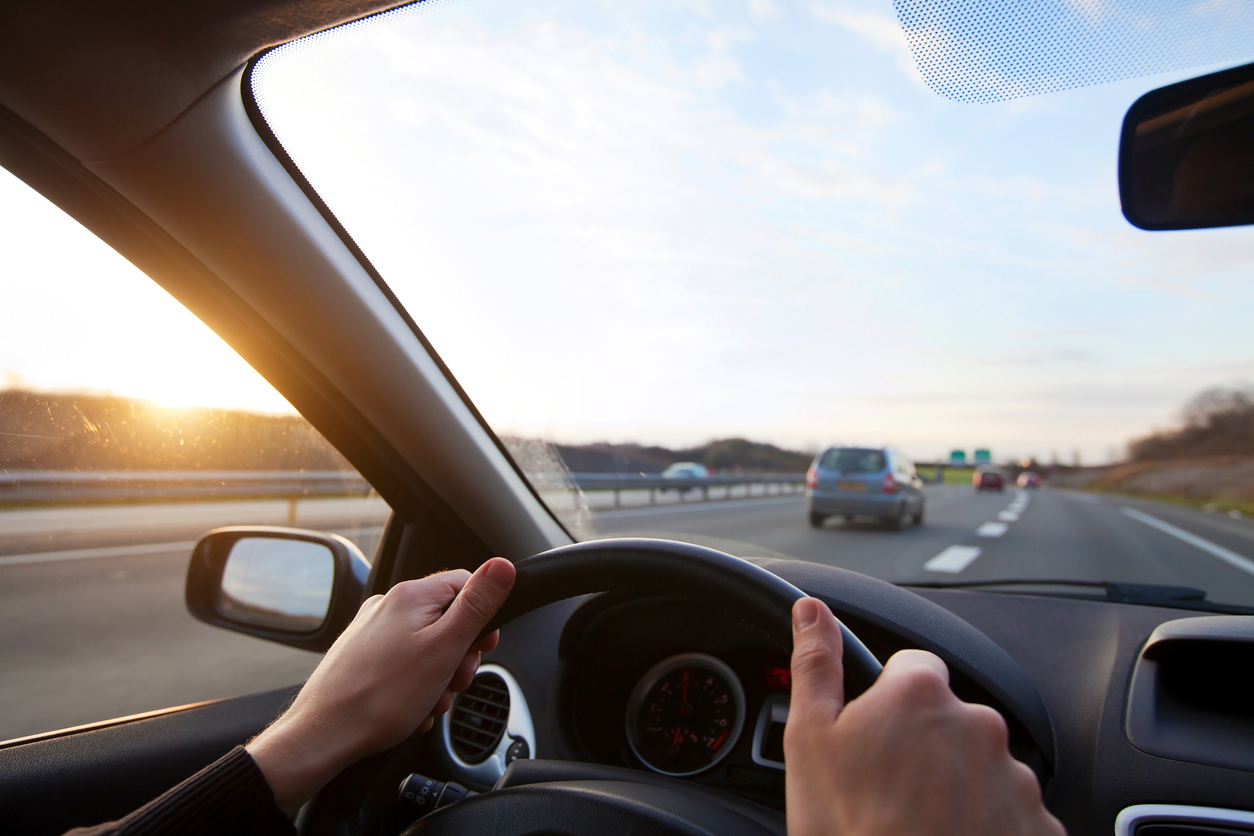
Adaptive cruise control (ACC) is an advanced driver-assistance feature designed to improve convenience and safety on the road. Traditional cruise control allows a driver to set a fixed speed that the vehicle maintains until the driver brakes or manually adjusts it.
Adaptive cruise control builds on this concept by automatically adjusting the vehicle’s speed to maintain a safe following distance from traffic ahead. Using sensors and onboard computing systems, ACC can slow down or accelerate the vehicle based on surrounding traffic conditions.
While the technology can reduce driver fatigue on highways, it is not a substitute for attentive driving. Reach out to our car accident attorneys in Charleston for further assistance.
How Adaptive Cruise Control Works
Adaptive cruise control relies on several interconnected components to monitor traffic conditions and adjust vehicle speed in real time. Depending on the manufacturer, these components may include:
- Radar sensors mounted in the front bumper or grille that measure distance and relative speed of vehicles ahead
- Forward-facing cameras positioned near the windshield or rearview mirror to identify lane markings and traffic behavior
- Onboard software systems that analyze sensor data and determine when to brake or accelerate
Some vehicles combine radar and camera data to improve detection accuracy. Even with multiple technologies working together, ACC systems have limitations and may not perform reliably in every driving environment.
Does Adaptive Cruise Control Encourage Speeding?
Adaptive cruise control does not inherently encourage speeding, but it can be misused and make speeding easier. Drivers can set the system to operate above the posted speed limit, allowing the vehicle to maintain an unsafe speed whenever traffic conditions permit.
This increases the severity of potential car accidents and reduces the time available to react to sudden hazards. Because ACC maintains speed automatically, drivers may become overly reliant on the system and less engaged with their surroundings.
This false sense of security can contribute to dangerous situations, especially when road conditions change unexpectedly.
Common Accidents Involving Adaptive Cruise Control
Rear-end collisions are the most common accidents associated with adaptive cruise control. These crashes often occur when the system fails to detect a stopped vehicle or reacts too slowly to sudden traffic changes. ACC systems may struggle with stationary objects, particularly after curves, hills, or in construction zones where traffic patterns shift abruptly.
Adaptive cruise control can also have difficulty detecting pedestrians, cyclists, and motorcyclists. Because these road users are smaller and produce a weaker sensor signature, the system may not recognize them in time. Motorcycles may temporarily disappear from sensor view, especially when riding in blind spots or changing lanes quickly, increasing the risk of a motorcycle collision.
Who Is Liable When Adaptive Cruise Control Fails?
Liability for crashes involving adaptive cruise control depends on how and why the accident occurred. Although adaptive cruise control is a driver-assistance feature, it does not eliminate a driver’s responsibility to remain attentive and in control of the vehicle.
In many cases, liability may rest with one or more parties, including:
- The driver
- The vehicle manufacturer
- Component manufacturers
- Software developers
- Repair or maintenance providers
- Other drivers
Insurance companies and courts often evaluate vehicle data, maintenance records, system design, and driver behavior when determining fault.
Compensation Available After an ACC-Related Accident
People injured in crashes involving adaptive cruise control may be entitled to compensation for both economic and non-economic losses.
Common forms of economic damages you may recover include:
- Medical expenses
- Lost income
- Property damage
Non-economic damages compensate for the personal impact of an injury, including:
- Physical pain and discomfort
- Emotional distress and mental suffering
- Reduced quality of life or loss of enjoyment of daily activities
These damages can be significant in cases involving permanent or long-term injuries.
Get Help From a Charleston Personal Injury Attorney
Crashes involving adaptive cruise control in Charleston, South Carolina, often involve complex questions about technology, driver behavior, and product design. Determining liability may require reviewing vehicle data, system performance, and manufacturer guidelines.
Consulting with a Charleston personal injury attorney can help clarify legal options and identify all potentially responsible parties after an ACC-related accident. To learn more and schedule a free case review, reach out to Ty Robinson Personal Injury & Car Accident Law Firm today.
Ty Robinson Personal Injury & Car Accident Law Firm
28 Broad St Suite 204-2
Charleston, SC 29401
(843) 278-2222
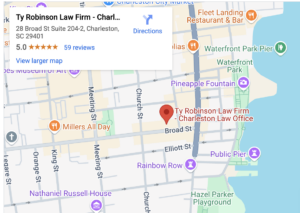
Ty Robinson Personal Injury & Car Accident Law Firm – Charleston Law Office
28 Broad St Suite 204-2,
Charleston, SC 29401
(843) 278-2222
Charleston Office – Mechanic Street
2201 Mechanic Street Suite D
North Charleston SC 29405
* By Appointment Only
(843) 278-2222